
All about Calcium
- Aug 11, 2021
- 4 min read

Calcium is a very important element in our bodies
A person weighing about 60 kilograms has about 1 kilogram of calcium present in the body. This proportion makes us consider calcium as a "macro mineral". Lets break down and analyze every component of this important mineral -
Important Functions of Calcium
1. Bone formation:

About 40 percent of the bone mineral in the body consists of calcium
Bone calcium pool turns over every 5 to 6 years with the lumbar vertebrae turning over the fastest.
2. Tooth formation:
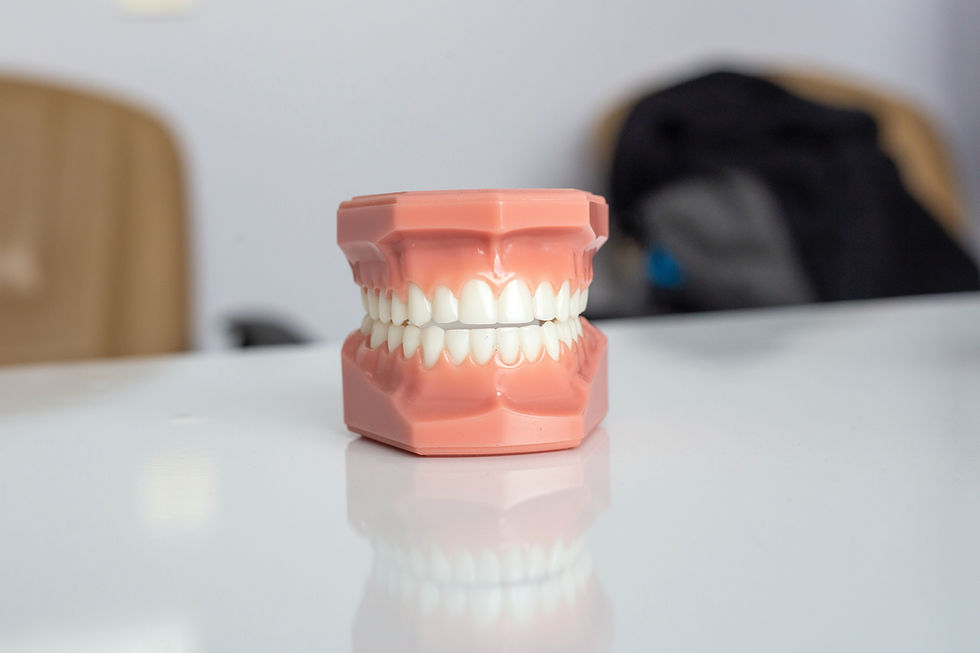
The calcification of deciduous teeth begin at the time when a foetus is about 20 weeks old and is completed at about 6 months of age. The permanent teeth begin to calcify when the child is between 3 months to 3 years of age when they are still buried in the gums. (except the wisdom teeth)
3. Contraction of muscles:

Certain Proteins bind to calcium which alters their shape in the process, leading to contraction of muscle fibers. This important aspect is greatly addressed in exercise science where release of calcium ions is studied when muscles are recruited during exercise. (especially weight bearing)
4. Clotting of Blood:

When a tissue is being injured by a cut, the process of conversion of proteins to create a blood clot requires the presence of calcium.
5. Release of Hormones (Insulin, PTH and Calcitonin):
The release of these hormones from the endocrine glands is facilitated by Calcium. It also acts as a messenger, wherein certain hormones exert their action through the mediation of calcium.
6. Activation of Enzymes :
Calcium is involved in the absorption of Vitamin B12, in the action of enzymes involved in fat digestion and in secretion of insulin hormone.
What aids Calcium absorption

The active form of Vitamin D plays an important role as a carrier of calcium through the intestinal walls to be released into the blood. The presence of adequate active form of Vitamin D enhances the absorption of calcium by upto 30 percent.
2. Estrogen:

Estrogen, specially for women , is the most important hormone for bone health. As a result, during menopause, decreased level of estrogen causes calcium levels to drop and also can cause osteoporosis a result.
3. Acidic Conditions in the Digestive system:
The acidic conditions caused by the digestive mass in the small intestine favour calcium absorptions. This also explains the reduction of calcium levels with age when the body naturally start producing less acid for digestion.
4. Lactose (in Infants):
Breast milk and dormula milk, which specifically contain high amounts of lactose aid in absorption of calcium in infants. Beyond infants though, it is not established whether lactose plays any role for absorption in adults.
5. Protein Intake ( Including sources rich in Calcium)and Phosphorous:
If the calcium intake from dietary sources is optimal (800 mg to 1400 mg per day) then protein intake helps to increase its absorption. Low calcium intake to begin with will not provide any benefit for additional protein intake. Increased protein intake also aids in higher urinary calcium excretion but is counteracted by phosphorous which has the opposite effect. However this is naturally balanced as high protein foods generally have high phosphate content as well.
What reduces Calcium Absorption
1. Lack of exercise :

When enough stimulus is not provided in the form of weight bearing exercises and being in a bed ridden state where people become immobile, they can lose about 0.5 percent of bone every month and turn over and resorption of calcium also reduces.
2. Stress, Anxiety, Depression:

Stress, tension, anxiety and boredom can all interfere with absorption of calcium . Studies specifically revealed that stress caused decreased efficiency of calcium absorption and increased excretion of the same.
3. High Caffeine Intake

High caffeine intake decreases the bioavailability of calcium by increasing of loss of calcium through urine. Specially intake of cola beverages that contain high amounts of caffeine may increase the fragility of bones in children and young adults.
4. Oxalic Acid:

Presence of oxalic acid In spinach when bound to calcium creates an insoluble form called calcium oxalate which cannot be absorbed
5. Phytic Acid:

Mostly present in large amounts in the outer covering of whole wheat and present in high amounts in whole wheat flour as compared to refined or oatmeal. The process of fermentation of these ingredients (eg making of bread, which involves usage of yeast reduced the amount of phytic acid)
What can you do to ensure adequate Calcium Absorption ?
1. Limit alcohol and Caffeine consumption
2. Exercise – (specially incorporating weight bearing exercises ) (more details will be covered in an upcoming article)
3. Ensure your Vitamin D levels are optimal- Get a blood test done to check your Vitamin D levels . If you are deficient, chances are that your calcium absorption will also be hampered eventually. You may then need to speak to your physician to take a course of Vitamin D and add foods in the diet after consulting with your nutritionist to naturally boost your Vitamin D and calcium levels.
3. Use relaxation techniques to correct stress, depression and anxiety like yoga, pranayama and meditation.
4. Adding Dairy Eg : milk, cottage cheese, yogurt etc.and non dairy sources of calcium like fortified non dairy milk, yogurt, fortified cereals, Amaranth( Rajgeera) , Fenugreek (Methi) Ragi etc.
Below is a list of required intake of all age groups across genders and also some food sources from where you can derive sufficient calcium.


Reference information : Nutrition science (B Srilakshmi), National Institute of Hyderabad, India.


Comments